
Silicones have long been used in hair products to deliver sleekness, softness, and a photo-ready finish. Yet, their synthetic nature and tendency to build up on both hair and the environment have sparked growing concern. More individuals are now rethinking what goes into their beauty routines, especially those who care about ingredients and impact. For those with natural texture, avoiding silicones can lead to healthier, more breathable strands over time. That’s why embracing plant-derived alternatives is gaining traction. If you’re hoping to create a cleaner routine, especially with textured or curly strands in mind, this resource on sustainable haircare for curly textures is a helpful place to begin. Let’s explore some effective, planet-friendly alternatives to silicone.
Broccoli Seed Oil
At first glance, broccoli seed oil might not sound like a beauty essential, but this green powerhouse is transforming the way people smooth and shine their hair—without synthetic polymers. Extracted from broccoli seeds, the oil contains high erucic acid levels, a fatty acid that provides a silky, silicone-like feel. Unlike traditional serums that rely on plastics to coat strands, broccoli seed oil offers a lighter touch that doesn’t leave hair feeling slick or heavy. It smooths frizz, detangles curls, and adds a healthy-looking gloss, all while rinsing away cleanly. It’s particularly loved by those with coarse or highly textured hair, offering a natural solution that doesn’t rely on chemicals to perform.
Aloe Vera Juice
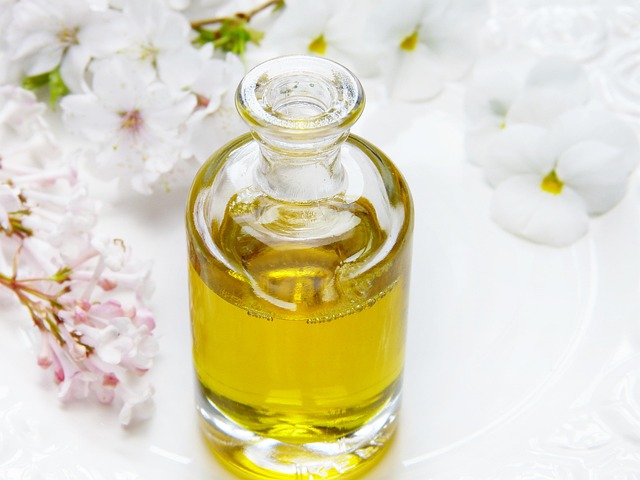
More than just a soothing ingredient for sunburns, aloe vera juice is quietly making waves in silicone-free hair care. This lightweight hydrator is ideal for people looking to keep their strands soft and flexible without relying on synthetic coating agents. Its water-like consistency makes it easy to use in leave-ins, curl-refreshing sprays, or even DIY masks. Aloe provides mild hold, moisture retention, and a subtle shine—perfect for wavy or curly textures prone to dryness. And since it’s gentle on both scalp and strands, aloe is a reliable go-to for those with sensitivities. It doesn’t clog or leave residue, offering a straightforward alternative to silicone that supports both scalp health and styling needs.
Coconut Alkanes
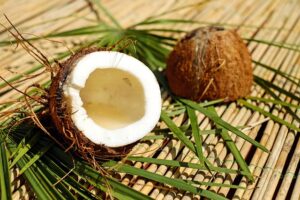 Coconut alkanes, derived from renewable coconut sources, offer a modern solution to replace silicones—without the environmental burden. These ingredients give the same smooth, gliding application and velvety finish as traditional synthetic agents but break down safely after use. They’re often featured in sprays, serums, and light styling creams, especially for people with finer textures who want shine without grease. Coconut alkanes help hair dry faster, reduce friction during brushing, and leave behind a soft sheen that’s easy to love. Unlike traditional oils that can sit on the surface or weigh curls down, this ingredient blends effortlessly into clean-beauty formulas.
Baobab Oil
Baobab oil comes from the seed of Africa’s baobab tree and is loaded with beneficial vitamins like A, D, E, and F. Its rich consistency and moisturizing qualities make it a powerhouse for dry, brittle, or aging strands—especially in protective styles or low-manipulation routines.
What sets it apart as a silicone alternative is its ability to condition deeply while improving manageability. It softens hair, shields against UV damage, and helps restore elasticity. While heavier than other oils, it absorbs well and is easy to incorporate into masks or deep treatments. Many sources of baobab oil also emphasize ethical harvesting, which adds another level of appeal for conscious consumers looking for beauty with purpose.
Conclusion
 Choosing silicone-free hair products doesn’t mean sacrificing shine or performance. With alternatives like broccoli seed oil, aloe vera juice, coconut alkanes, and baobab oil, you can achieve soft, glossy hair while supporting a more responsible approach to personal care. These plant-based ingredients deliver visible results without clogging your scalp, damaging the environment, or requiring harsh cleansers to remove. By swapping out synthetic coatings for natural nourishment, you give your hair room to breathe, grow, and thrive. And the best part?