
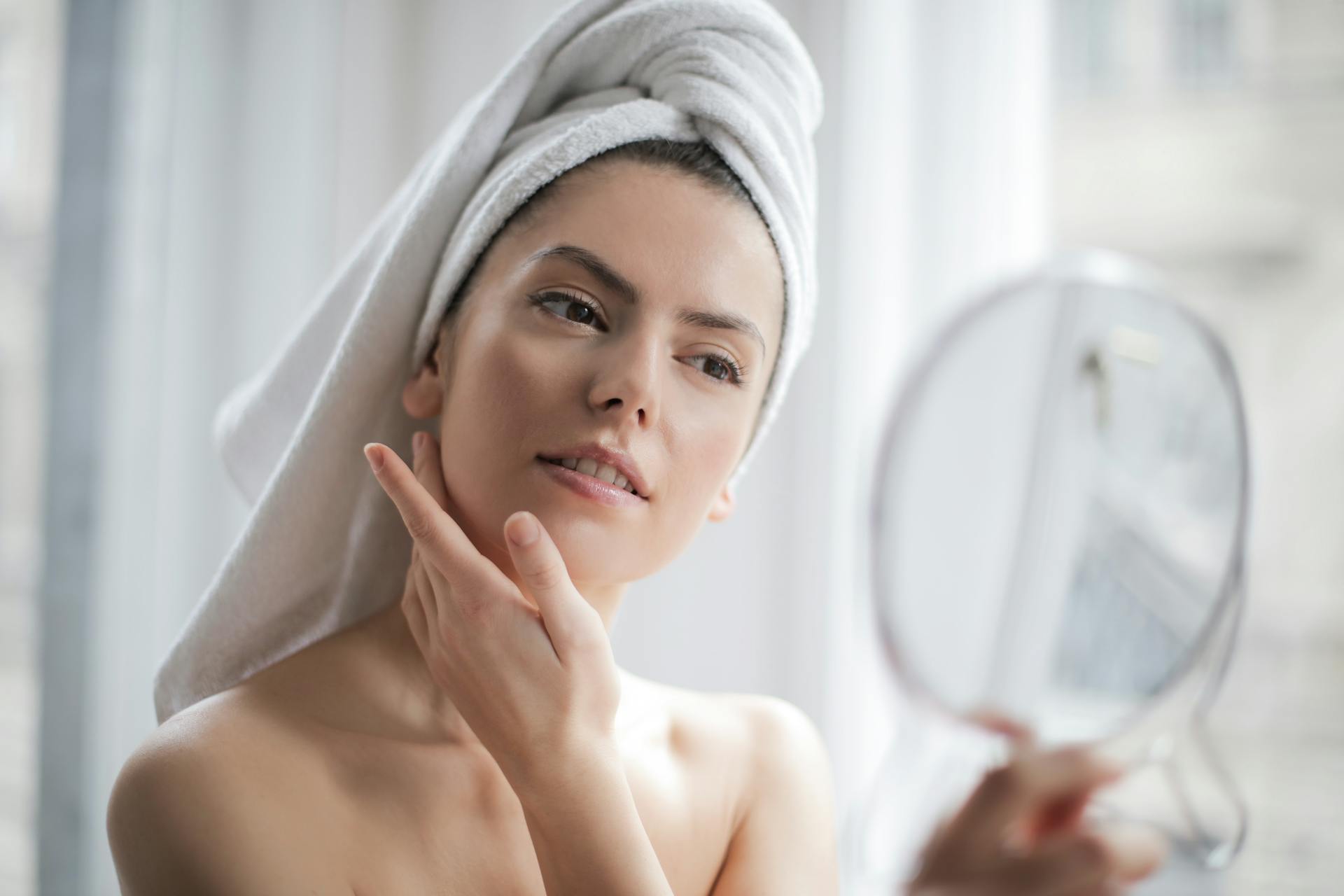
Beauty trends change, but two elements remain at the core: healthy skin and balanced facial structure. Both are considered essential in how humans perceive attractiveness, no matter the culture. In fact, defining facial features that enhance beauty isn’t easy. These aspects carry biological and social signals that continue to shape global standards of appeal. A glowing complexion or refined facial outline is not just cosmetic. They reflect overall well-being and symmetry, which the human brain often associates with vitality and strength. This makes them more than surface-level traits—they’re visual cues deeply tied to health and confidence.
Why Clear, Radiant Skin Signals Vitality
 Skin is often the first feature people notice, and science shows why. Healthy skin indicates hydration, balanced nutrition, and stable hormones, all of which reflect internal wellness. Across cultures, radiant skin has been linked with fertility and resilience, making it one of the most universal signs of beauty. Interestingly, the glow of skin matters more than perfection. Minor imperfections, like freckles or scars, rarely take away from overall appeal. What people value most is the natural light reflection that makes someone look energized and alive.
The Role of Facial Proportions in Attractiveness
Facial structure shapes how features interact with each other. Balanced proportions between the eyes, nose, lips, and chin create harmony that the human brain instantly recognizes as appealing. This explains why artists and sculptors have studied facial symmetry for centuries. But attractiveness is not about mathematical perfection. Slight asymmetries can create distinctiveness and character, often making a face more memorable. The goal is harmony, not flawlessness.
High Cheekbones and the Perception of Strength
High cheekbones have long been celebrated in fashion, film, and art. They add definition, cast shadows that emphasize the eyes, and give the face a sculpted look. Anthropologists argue that pronounced cheekbones may historically have been linked to maturity and fitness. Culturally, cheekbones carry symbolic weight. In Western ideals, sharper cheekbones represent elegance, while in other regions, softer contours suggest youth and kindness. Both interpretations highlight how cheekbones influence perceived personality.
How Skin and Structure Work Together
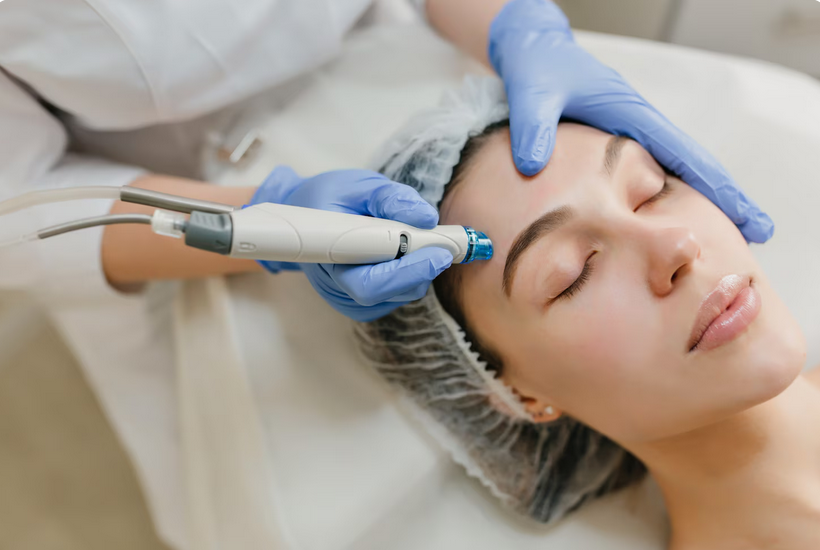
While skin and structure can be appreciated separately, their real power lies in combination. A strong bone framework can be softened or highlighted by healthy, glowing skin, creating balance between strength and vitality. This interplay shapes what people describe as “timeless beauty.” It also explains why both dermatology and cosmetic surgery often aim for the same goal: restoring health to the skin while respecting natural structure. When the two align, the result looks authentic rather than artificial.
Cultural Perspectives on Beauty Foundations
Different cultures place emphasis on different traits, but skin and structure remain consistent markers. In Japan, pale, smooth skin has long symbolized refinement, while in parts of Africa, fuller features framed by glowing skin are celebrated. Western media often highlights angular cheekbones and clear complexions.
Beauty may seem subjective, but science and culture repeatedly circle back to two foundations: skin health and facial structure. Together, they frame balance, radiance, and individuality. While styles and ideals shift across time and place, the basics of glow and proportion remain powerful guides to how humans define attractiveness.