

Buying beauty products today is not as simple as choosing what looks pretty on the shelf. Modern consumers are more informed, selective, and cautious than ever. They want results, safety, and authenticity. Trust is earned through transparency, quality, and consistent performance. Understanding how consumers evaluate products, including innovations like waterless facial cleanser formulations, is essential for brands and insightful for shoppers themselves. This article explores the factors that shape trust, the behaviors of modern beauty buyers, and the strategies brands use to meet these expectations.
The Role of Ingredient Transparency
 Ingredients are no longer a background detail. They are central to trust. Consumers read labels carefully, checking for harmful chemicals, allergens, or artificial additives. Natural, clean, or ethically sourced ingredients are increasingly valued. Transparent brands that disclose full ingredient lists earn credibility. When consumers understand what goes into a product, they feel confident using it. Transparency builds a foundation for trust that extends beyond marketing promises. It also helps consumers make choices aligned with their health and values.
Influence of Online Reviews and Ratings
Online reviews heavily impact purchasing decisions. Beauty buyers often rely on authentic experiences from real users. Positive reviews increase confidence, while negative feedback can deter purchases. Ratings and testimonials create a sense of community verification. Consumers are more likely to trust products that have consistent praise across multiple platforms. Social proof is powerful because it demonstrates results in real life, not just in advertisements. Brands that monitor and respond to reviews show accountability, which strengthens trust further.
Brand Reputation and History
A brand’s track record matters. Established companies with a history of quality and innovation are easier to trust. Consumers look for consistency in performance, ethical practices, and responsiveness. Newer brands must work harder to prove reliability. Awards, certifications, and recognitions also contribute to perceived trustworthiness. Reputation is cumulative and can influence a consumer’s first impression before they even try a product. A brand that demonstrates integrity earns long-term loyalty from its audience.
Label and Package
Packaging is more than aesthetics. It communicates professionalism and care. Clear labels, readable instructions, and accurate claims are essential. Misleading or vague packaging can create skepticism. Modern consumers appreciate straightforward designs that convey value and safety. Packaging that highlights certifications or features like “dermatologist-tested” or “cruelty-free” adds credibility. Even small details, such as recyclable materials or tamper-evident seals, can influence trust. How a product looks and informs buyers plays a subtle but meaningful role in decision-making.
Social Media and Influencer Impact
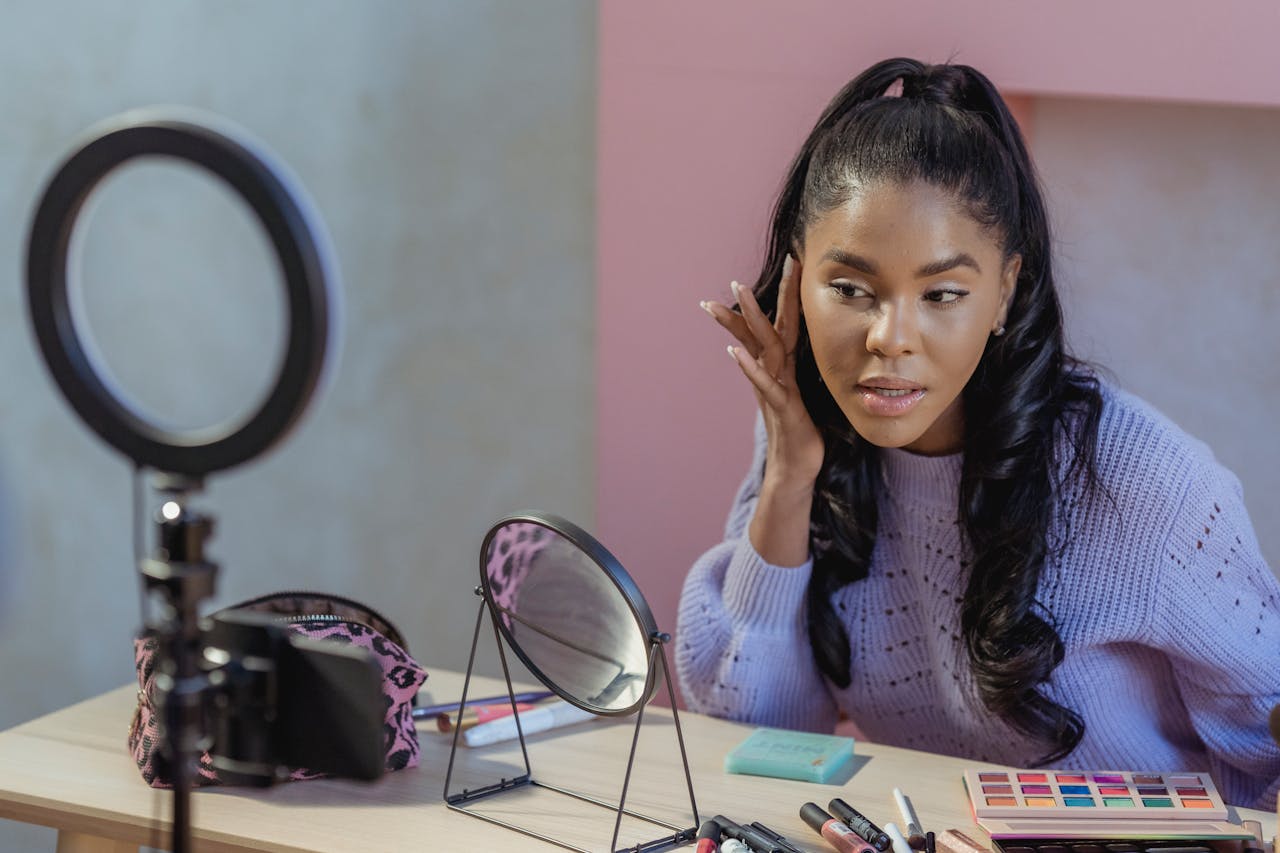
Influencers play a major role in shaping beauty perceptions. Recommendations from trusted personalities can sway consumer decisions. Micro-influencers, who often have smaller but highly engaged audiences, are particularly effective. They provide detailed, relatable insights into products. Consumers pay attention to authenticity, noting when endorsements feel genuine versus sponsored. Brands that collaborate transparently with influencers can gain credibility. The modern beauty consumer evaluates not just the product, but the source of the recommendation.
Product Performance and Experience
Ultimately, results matter most. Consumers want products that deliver on their promises. Texture, fragrance, ease of use, and visible benefits contribute to satisfaction. A positive experience reinforces trust, while disappointment can quickly erode it. Trial samples or small sizes allow cautious buyers to test performance before committing. Consistent performance over time ensures repeat purchases and fosters brand loyalty. Modern beauty consumers often experiment but return to products that consistently meet expectations.
Certifications and Ethical Practices
Certifications such as cruelty-free, vegan, organic, or dermatologist-approved are key trust indicators. Consumers increasingly prioritize ethical and sustainable practices. Companies that highlight environmental responsibility or social initiatives attract buyers who value more than just aesthetics. Ethical practices build emotional connections with consumers, creating trust beyond product performance. Certifications and transparent policies give shoppers assurance that their purchase aligns with their values.
Modern beauty consumers evaluate products through multiple lenses: ingredients, reviews, social influence, brand reputation, packaging, performance, certifications, and digital transparency. Trust is earned through consistent quality, ethical practices, and clear communication. Consumers are informed, cautious, and value authenticity above flashy marketing. Brands that meet these expectations foster long-term loyalty. Understanding these behaviors allows shoppers to make smarter choices and helps brands connect with their audience meaningfully. In today’s beauty market, trust is not given. It is built through transparency, reliability, and thoughtful engagement.